Most plumbing emergencies announce themselves. A burst pipe floods a room. A slab leak doesn’t work that way. It starts as a pinhole crack or a worn joint in a water line running under your concrete foundation, and it can leak into the ground or the slab for weeks, sometimes months, before anyone notices anything’s wrong. Most homeowners find out after the leak’s already been running a while. Catch it early and it’s a plumbing repair. Catch it late and you’re looking at a foundation problem.
What a Slab Leak Actually Is
Most homes in Western Oklahoma are built on a concrete slab, and the water lines run through or under that slab rather than through walls or a crawlspace. Those pipes sit under constant pressure around the clock. Over years they corrode, wear against rebar or gravel in the concrete, or get stressed as the ground shifts underneath the house. Clinton, Elk City, and everything around them sit on clay-heavy soil, the kind that swells up when it’s wet and pulls back hard when it dries out. That constant swelling and shrinking puts a lot more stress on buried pipe than stable ground does. A slab leak is what happens when one of those lines finally cracks.
Here’s the part that trips people up: water doesn’t stay where the pipe broke. It travels through the concrete and the soil along whatever path is easiest, then surfaces somewhere else in the slab, sometimes feet from the actual leak. That’s why trying to guess the source from where you see water is a bad plan, and why the signs below matter more than the water itself.
Your Water Bill Jumps for No Reason
Usually the first sign anyone catches, mostly because it’s sitting right there on paper. A leak under the slab runs continuously, day and night, whether the house is empty or full of people, so the bump in your bill tends to be steady rather than a one-time spike. Pull last year’s bill from the same month and compare. If the number’s climbed and nothing about how your household uses water has changed, a hidden leak is the most likely reason why.
Warm Spots on the Floor
When the leak’s on a hot water line, that escaping water heats the concrete around it, and eventually the flooring sitting on top. Walk your floors barefoot every so often. A patch that feels noticeably warmer than the rest of the room, especially on tile, is worth paying attention to. This only shows up with hot water line leaks, so its absence doesn’t clear a cold line leak, but if you do feel it, that’s about as direct a sign as you’ll get without calling anyone.
Mold, Mildew, or a Musty Smell
Water pooling under a slab for weeks builds the exact damp, dark conditions mold thrives in. Often the first thing you notice is a musty smell near baseboards, under carpet, or along a wall closest to the leak, and that smell can show up before you see any actual moisture. Damp or discolored carpet near an exterior wall takes it a step further. We’ve had homeowners chase this smell for weeks assuming it was a roof leak or a bad window seal before it turned out to be coming from under the floor.
Low Water Pressure
A slab leak is a hole letting water out before it ever reaches your faucets. So pressure at your fixtures drops. It’s an easy sign to miss because the drop is usually gradual, and most people chalk it up to an old fixture rather than a leak they can’t see. Watch for pressure dropping at more than one fixture around the same time, especially if it lines up with a rising water bill. That combination points toward a slab leak far more than a single bad faucet does.
Other Signs Worth Watching For
A handful of other signs round this out. Running water sounds when every fixture in the house is off means water’s moving somewhere it shouldn’t be, since there’s nowhere else that sound could be coming from. Tile that starts lifting or cracking in a straight line can mean water’s been working under the slab for a while. And if your water meter’s still spinning after you’ve shut off everything in the house, that’s about as direct a confirmation as you’ll get.
Slab Leak vs. Foundation Crack
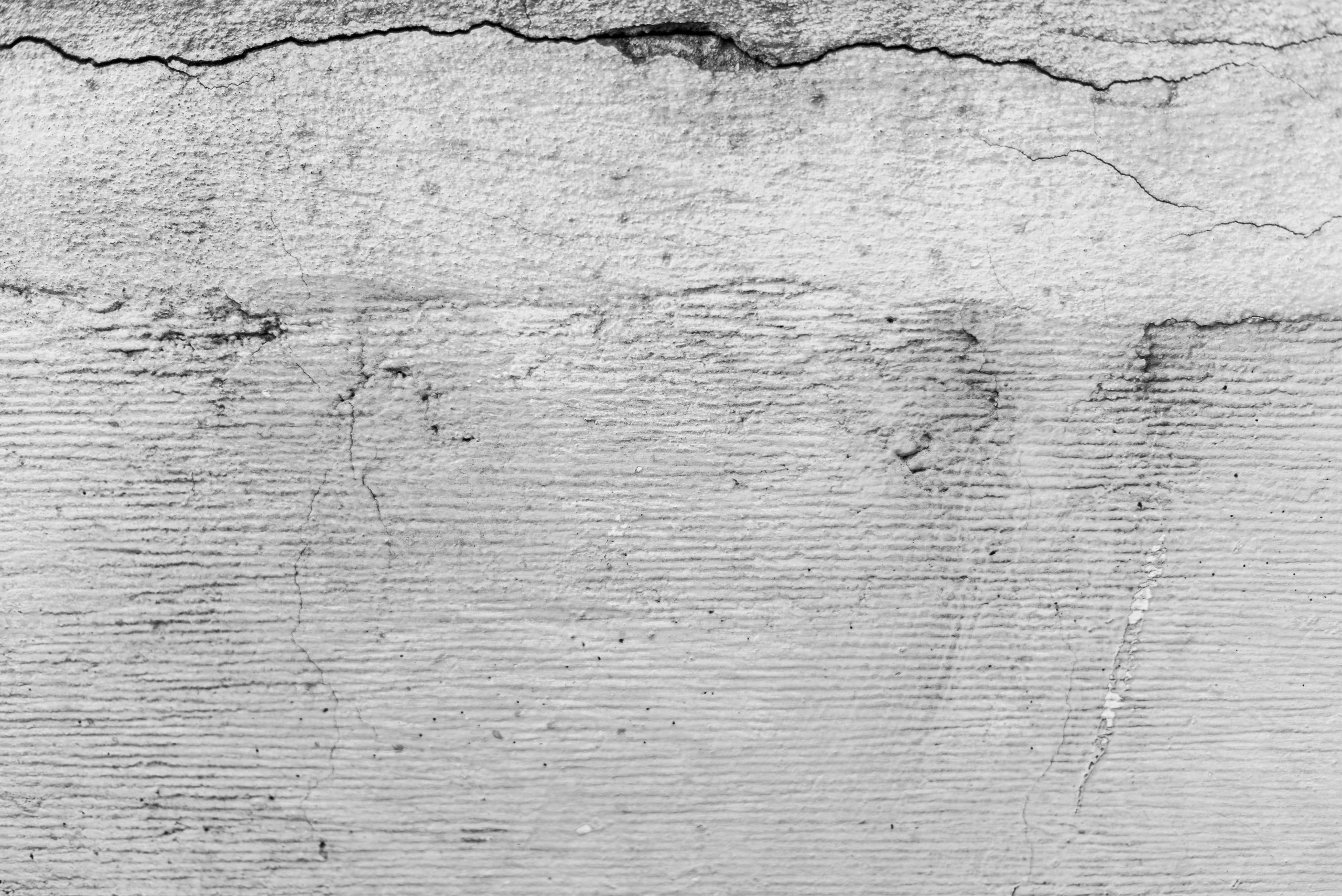
People mix these up constantly, and it doesn’t help that a slab leak left alone can eventually cause a foundation crack of its own. A foundation crack on its own, without water involved, usually comes down to structural settling or soil movement. It shows up as a visible crack in the slab, a wall, or the exterior foundation, often with none of the signs above. A slab leak, on the other hand, comes with water damage: rising bills, warm spots, musty smells, pressure changes. See cracks alongside any of those water signs? Treat it as a plumbing problem first, since fixing the leak is what stops the foundation damage from getting worse. Cracks with none of the water signs point more toward a structural or soil issue, which is a job for a structural engineer rather than a plumber. If you genuinely can’t tell which one you’re dealing with, a plumber can run a pressure test and rule a leak in or out before anyone starts talking foundation repair.
Why You Shouldn’t Wait to Call a Plumber
A slab leak doesn’t slow down or fix itself. The same pressure that cracked the pipe in the first place keeps pushing water through it, and the damage builds the longer it runs. A wet spot under the carpet can turn into eroded soil under the foundation, warped flooring, mold that’s spread past anything a simple cleaning handles, and in the worst cases, real structural settling that costs far more than the original leak would have. On top of the damage, you’re paying for water that never made it to a faucet, and that adds up fast on a leak running for months straight.
The good news: catching it early usually means a smaller job than people expect. Modern leak detection lets a plumber pinpoint the break without tearing up the whole slab. Depending on where the leak is, the fix might be a targeted repair through a small section of concrete, or rerouting the line above the floor instead of back through the slab. A leak caught at the water-bill-spike stage is a completely different repair, and a completely different bill, than one that’s been running for six months.
Slab Leak Repair in Clinton and Elk City
If any of this sounds like what’s going on at your place, don’t sit on it. See how we handle detection and repair on our Clinton slab leak repair page and our Elk City slab leak repair page.
Think you might have a slab leak? Call CMD Plumbing at (580) 330-0960 and we’ll get it diagnosed before it gets worse.
Frequently Asked Questions
What are the first signs of a slab leak?
A water bill that climbs for no clear reason and warm spots on the floor tend to show up earliest, often before there’s any visible water or damage at all.
How do I know if it’s a slab leak and not a foundation crack?
Slab leaks come with water signs: rising bills, warm spots over hot water lines, musty smells, dropping pressure. A crack with none of those is more likely a structural or soil issue. If it’s unclear, a plumber can run a pressure test before anyone assumes it’s foundation-related.
Can a slab leak get better or fix itself over time?
No. The pressure pushing water through the crack doesn’t let up on its own, so the leak keeps running and the damage keeps building until the line gets repaired.
Do I have to break up my whole floor to fix a slab leak?
Not always. Leak detection usually pinpoints exactly where the break is, and depending on the situation, a plumber can make a targeted repair or reroute the line above the floor instead of tearing up the slab.
How much does a slab leak cost to fix?
It depends on how long the leak’s been running and how it needs to be accessed, which is exactly why catching it early matters. A leak caught at the water-bill or warm-spot stage costs a lot less to fix than one that’s been running for months and already damaged flooring or the foundation.
Call CMD Plumbing at (580) 330-0960 if you suspect a slab leak.