
Signs You May Have a Slab Leak (And Why You Shouldn’t Wait to Call a Plumber)
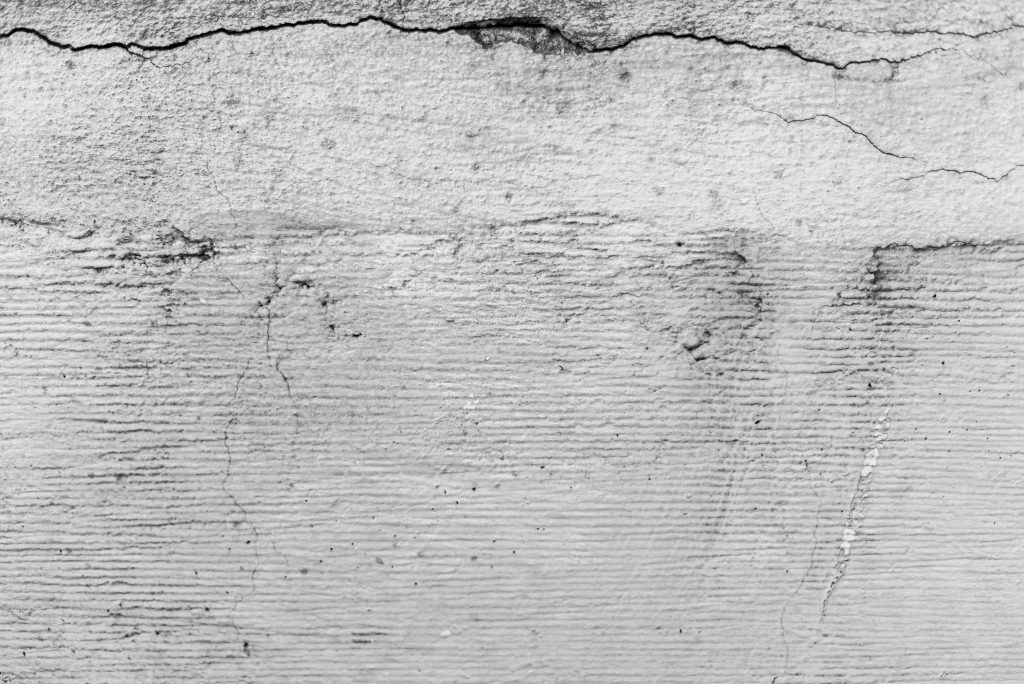
Most plumbing emergencies announce themselves. A burst pipe floods a room. A slab leak doesn’t work that way. It starts as a pinhole crack or a worn joint in a water line running under your concrete foundation, and it can leak into the ground or the slab for weeks, sometimes months, before anyone notices anything’s wrong. Most homeowners find out after the leak’s already been running a while. Catch it early and it’s a plumbing repair. Catch it late and you’re looking at a foundation problem. What a Slab Leak Actually Is Most homes in Western Oklahoma are built on a concrete slab, and the water lines run through or under that slab rather than through walls or a crawlspace. Those pipes sit under constant pressure around the clock. Over years they corrode, wear against rebar or gravel in the concrete, or get stressed as the ground shifts underneath the house. Clinton, Elk City, and everything around them sit on clay-heavy soil, the kind that swells up when it’s wet and pulls back hard when it dries out. That constant swelling and shrinking puts a lot more stress on buried pipe than stable ground does. A slab leak is what happens when one of those lines finally cracks. Here’s the part that trips people up: water doesn’t stay where the pipe broke. It travels through the concrete and the soil along whatever path is easiest, then surfaces somewhere else in the slab, sometimes feet from the actual leak. That’s why trying to guess the source from where you see water is a bad plan, and why the signs below matter more than the water itself. Your Water Bill Jumps for No Reason Usually the first sign anyone catches, mostly because it’s sitting right there on paper. A leak under the slab runs continuously, day and night, whether the house is empty or full of people, so the bump in your bill tends to be steady rather than a one-time spike. Pull last year’s bill from the same month and compare. If the number’s climbed and nothing about how your household uses water has changed, a hidden leak is the most likely reason why. Warm Spots on the Floor When the leak’s on a hot water line, that escaping water heats the concrete around it, and eventually the flooring sitting on top. Walk your floors barefoot every so often. A patch that feels noticeably warmer than the rest of the room, especially on tile, is worth paying attention to. This only shows up with hot water line leaks, so its absence doesn’t clear a cold line leak, but if you do feel it, that’s about as direct a sign as you’ll get without calling anyone. Mold, Mildew, or a Musty Smell Water pooling under a slab for weeks builds the exact damp, dark conditions mold thrives in. Often the first thing you notice is a musty smell near baseboards, under carpet, or along a wall closest to the leak, and that smell can show up before you see any actual moisture. Damp or discolored carpet near an exterior wall takes it a step further. We’ve had homeowners chase this smell for weeks assuming it was a roof leak or a bad window seal before it turned out to be coming from under the floor. Low Water Pressure A slab leak is a hole letting water out before it ever reaches your faucets. So pressure at your fixtures drops. It’s an easy sign to miss because the drop is usually gradual, and most people chalk it up to an old fixture rather than a leak they can’t see. Watch for pressure dropping at more than one fixture around the same time, especially if it lines up with a rising water bill. That combination points toward a slab leak far more than a single bad faucet does. Other Signs Worth Watching For A handful of other signs round this out. Running water sounds when every fixture in the house is off means water’s moving somewhere it shouldn’t be, since there’s nowhere else that sound could be coming from. Tile that starts lifting or cracking in a straight line can mean water’s been working under the slab for a while. And if your water meter’s still spinning after you’ve shut off everything in the house, that’s about as direct a confirmation as you’ll get. Slab Leak vs. Foundation Crack People mix these up constantly, and it doesn’t help that a slab leak left alone can eventually cause a foundation crack of its own. A foundation crack on its own, without water involved, usually comes down to structural settling or soil movement. It shows up as a visible crack in the slab, a wall, or the exterior foundation, often with none of the signs above. A slab leak, on the other hand, comes with water damage: rising bills, warm spots, musty smells, pressure changes. See cracks alongside any of those water signs? Treat it as a plumbing problem first, since fixing the leak is what stops the foundation damage from getting worse. Cracks with none of the water signs point more toward a structural or soil issue, which is a job for a structural engineer rather than a plumber. If you genuinely can’t tell which one you’re dealing with, a plumber can run a pressure test and rule a leak in or out before anyone starts talking foundation repair. Why You Shouldn’t Wait to Call a Plumber A slab leak doesn’t slow down or fix itself. The same pressure that cracked the pipe in the first place keeps pushing water through it, and the damage builds the longer it runs. A wet spot under the carpet can turn into eroded soil under the foundation, warped flooring, mold that’s spread past anything a simple cleaning handles, and in the worst cases, real structural settling that costs far more than the original leak would have. On top of the damage, you’re paying for water that never
Hard Water in Western Oklahoma: Why It Happens and How to Fix It
If you live in Western Oklahoma, you have hard water, and it is quietly costing you money whether you have noticed it or not. Hard water is behind the spots on your glasses, the film on your shower door, the soap that will not lather, and, more expensively, the water heater that gave out years before it should have. It is one of the most common water problems in this part of the state, and also one of the most fixable once you understand what is actually going on. This guide covers why our water is so hard, how to spot what it is doing to your home, how to test it, and the real options for fixing it for good. What Hard Water Actually Is Hard water is simply water with a high concentration of dissolved minerals, mainly calcium and magnesium. Water is a natural solvent, and as it moves through rock and soil on its way to your tap or your well, it picks up whatever it passes through. The more calcium and magnesium it collects, the harder it is. Hardness is measured in grains per gallon, and the general scale runs from soft water at under one grain per gallon, up through moderately hard, hard, and very hard water above about ten and a half grains per gallon. A lot of Western Oklahoma water tests firmly in the hard to very hard range, which is why the effects here are so noticeable. Why Western Oklahoma Water Is So Hard This comes down to geology. The ground beneath much of Western Oklahoma is rich in the exact minerals that cause hardness. Groundwater moving through limestone, dolomite, and gypsum formations dissolves calcium, magnesium, and in some areas sulfate, and carries all of it right to your faucet. That is true for municipal water and even more so for the many homes out here that run on private wells, which draw straight from those mineral-heavy aquifers without the treatment a city system might provide. Well water in this region often carries not just hardness but iron and sulfur as well, which bring their own problems on top of the scale. None of this makes the water unsafe, but it does make it hard on everything it touches. The Signs of Hard Water Hard water leaves evidence all over the house once you know what to look for. Any one of these on its own might not mean much, but several together are a clear sign: Spots and film on dishes and glassware, especially that cloudy residue on glasses straight out of the dishwasher. Soap and shampoo that will not lather, and a filmy or slippery feeling on your skin after a shower that never quite rinses away. Chalky white scale crusting on faucets, showerheads, and around drains, and buildup that clogs the little holes in a showerhead. Soap scum that builds fast on tubs, tile, and shower doors and takes real scrubbing to remove. Stiff, scratchy, dingy laundry that wears out faster than it should, with whites going gray over time. Dry, itchy skin and dull, tangly hair, because the mineral residue interferes with soap and strips moisture. Dropping water pressure over months and years as scale narrows the inside of pipes and fixtures. Appliances failing early, which is the expensive sign and the one people connect to hard water last. What Hard Water Does to Your Plumbing and Appliances This is where hard water stops being a cosmetic annoyance and starts costing real money. Every time hard water is heated or sits still, those dissolved minerals come out of solution and harden into scale, the same chalky crust you see on your faucets, except it is also forming where you cannot see it, inside your pipes, your fixtures, and your appliances. Your water heater takes the worst of it. In a traditional tank heater, scale settles to the bottom of the tank as sediment, where it forms an insulating layer between the burner and the water. The heater has to work harder and run longer to heat through that layer, which drives up your energy bill and wears the unit out early. It is also what causes that popping or rumbling sound an old water heater makes, sediment bubbling underneath. In a tankless unit, scale builds up inside the heat exchanger, the very part that heats your water on demand, and if it is not addressed it chokes performance and can shorten the life of an expensive machine dramatically. The damage does not stop at the water heater. Scale narrows pipes over time, reducing flow and pressure. It clogs faucet aerators and showerheads. It shortens the life of dishwashers and washing machines, whose heating elements and valves scale up and fail. Across a whole house, hard water quietly ages your entire plumbing system and every appliance that touches water. A water heater that should give you ten or twelve years can fail well short of that when it is fed untreated hard water year after year. The Extra Wrinkle With Well Water If your home runs on a private well, and many out here do, hard water is often only part of the story. Well water in Western Oklahoma frequently carries iron, which leaves rusty orange or brown stains on fixtures and laundry, and sometimes sulfur, which produces that unmistakable rotten-egg smell. It can also carry sediment and, in some cases, bacteria. These are separate issues from hardness, and they call for different treatment, which is exactly why testing matters so much for well owners. A plain water softener will handle the hardness, but it will not fix an iron stain or a sulfur smell on its own. Knowing everything that is in your water is the only way to treat it correctly. How to Test Your Water You do not have to guess at any of this. There are a few ways to find out exactly what you are dealing with. A simple at-home test kit gives
Tankless vs. Tank Water Heaters: Which Is Right for Your Western Oklahoma Home?
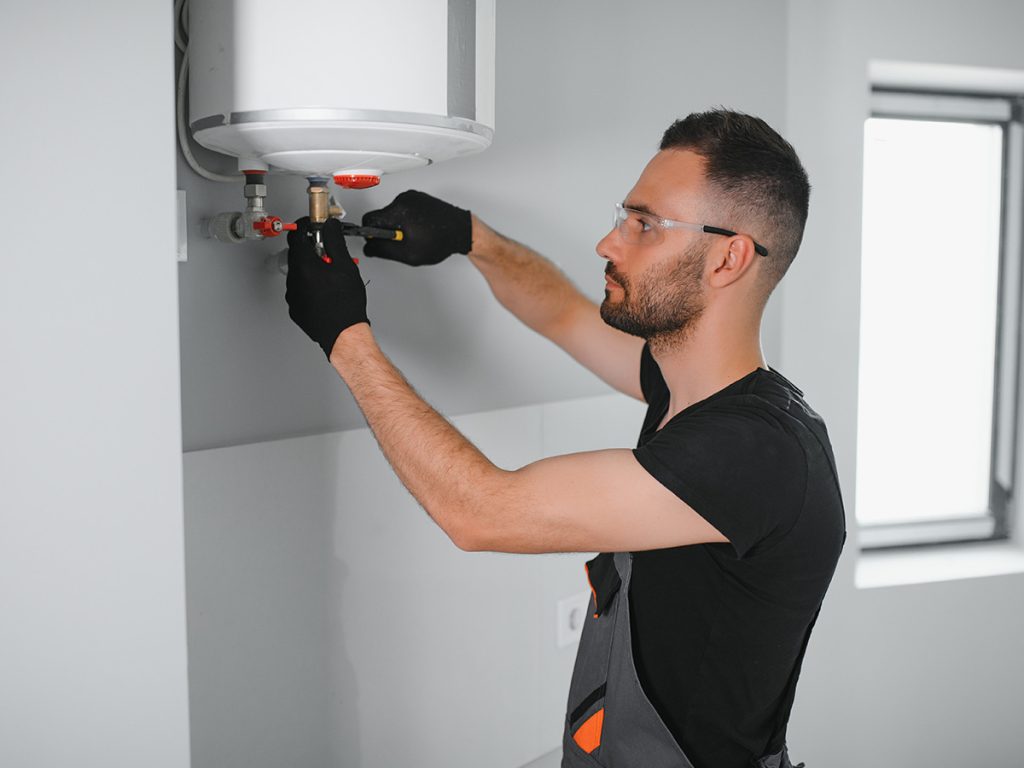
Sooner or later every water heater needs replacing, and the moment it does you hit the same fork in the road: stick with a traditional tank, or switch to tankless? The tankless vs tank water heater question does not have one right answer, it has a right answer for your house, your budget, and, out here, your water. Here is an honest breakdown to help you decide before you buy. How They Actually Work A tank water heater does what it sounds like. It keeps 40 to 50 gallons of water hot and ready around the clock, so it is there when you turn the tap. A tankless unit skips the tank entirely and heats water on demand, firing up only when you open a hot tap and running until you close it. That one difference drives almost everything else that follows. Upfront Cost Tank heaters win on upfront cost, every time. They are cheaper units and simpler to install, especially when you are replacing an existing tank with another tank. Tankless units cost more to buy, and the install can run higher too, since they sometimes need gas line, venting, or electrical upgrades to feed the on-demand heating. If the lowest possible upfront number is the priority, tank wins. Lifespan This is where tankless starts earning its price back. A typical tank heater lasts about eight to twelve years. A tankless unit, properly maintained, often runs close to twenty. So while tankless costs more up front, it can outlast two tank heaters, which changes the math if you plan to stay in your home a while. Hot Water Capacity These two run out of hot water in completely different ways. A tank holds a fixed amount, so if three people shower back to back and the dishwasher is going, you can drain it and go cold until it reheats. Tankless never runs out, it just keeps heating, but it is limited by flow rate, meaning how much hot water it can produce at once. A properly sized tankless unit keeps up with a normal household fine. An undersized one struggles to feed several fixtures at the same time. Sizing is everything with tankless, which is one more reason to have it installed by someone who does the math instead of guessing. Operating Cost and Space Tankless is generally more efficient, because it is not spending energy keeping a tank hot 24 hours a day whether you are using it or not. Over the life of the unit that can add up on your utility bill. Tankless also takes up far less space, mounting on a wall instead of eating a corner of the garage or a closet. For smaller homes, that space savings alone is a selling point. The Western Oklahoma Factor: Hard Water and Well Water Here is the part the national comparison articles leave out, and it matters a lot around here. Western Oklahoma has hard water, and plenty of homes run on well water on top of that. Hard water leaves mineral scale behind, and scale is rough on any water heater. It builds up in the bottom of a tank and makes it work harder, and it collects inside a tankless unit’s heat exchanger, where it can choke performance and shorten the life of an expensive machine if it is ignored. That does not rule out tankless out here, but it does come with a condition: tankless units in hard-water country need periodic descaling to stay healthy, and pairing one with a water softener is a smart move that protects your investment. Well water can add sediment to the mix, which is another argument for treating your water. If you go tankless without addressing hard water, you are shortening the life of the very thing you paid extra for. If you go tank, hard water still matters, but the stakes are lower and an annual flush goes a long way. We will be straight with you about what your water means for whichever unit you are leaning toward. Gas or Electric? Both tank and tankless come in gas and electric. Gas heats faster and usually costs less to run where natural gas is available, but needs venting. Electric is simpler to install, needs no venting, and is the answer where there is no gas line, though it recovers a bit slower. With tankless especially, the fuel type affects sizing and install requirements, so it is part of the same conversation as choosing the unit itself. So Which Should You Choose? Lean tank if you want the lowest upfront cost, you are replacing an existing tank, or you would rather keep it simple. Lean tankless if you want endless hot water, longer life, energy savings, and space back, and you are willing to invest a bit more up front and stay on top of hard-water maintenance. There is no wrong answer here, only the one that fits how you live and what comes out of your tap. When you are ready to talk specifics, we install both. Let CMD Plumbing Help You Decide We install and service tank and tankless water heaters, gas and electric, across Western Oklahoma, and we will give you a straight recommendation based on your household and your water instead of pushing whatever costs the most. See our water heater installation in Elk City page, or if you are weighing whether to replace at all, start with water heater repair in Clinton or Elk City. Not sure which way to go? Call CMD Plumbing at (580) 330-0960 and we will walk you through it. Frequently Asked Questions Is tankless or tank better? Neither is universally better. Tank costs less up front and is simpler. Tankless costs more but gives endless hot water, lasts longer, and saves energy and space. The right choice depends on your budget, household size, and water quality. Are tankless water heaters worth it? For many homes, yes. The longer lifespan, endless hot water, and energy savings can
Signs Your Sewer Line Needs Repair (And When to Call a Plumber Immediately)
Your sewer line is the one pipe in your house you never think about, right up until it stops doing its job. By then a small problem has often become a big, messy one. The good news is that a failing sewer line almost always warns you first. If you know the signs of sewer line damage, you can get ahead of it before it backs up into the house or collapses under the yard. Here’s what to watch for, and which signs mean call now, not later. The Early Warning Signs These tend to show up before a full failure. One on its own might be nothing. Two or three together is your line telling you something. Slow drains all over the house. One slow sink is a local clog. Multiple slow drains at once usually points to the main sewer line, not the fixtures. Gurgling sounds. If the toilet gurgles when you run the washer, or the tub bubbles when you flush, air is getting trapped by a blockage downstream. Sewage smell. A persistent sewage odor inside or around the house means waste isn’t moving the way it should, or it’s escaping a cracked line. Drains that keep clogging no matter how many times they’re cleared. A line that won’t stay clear has something structural going on, often roots. The Signs You Can See in the Yard A sewer line runs under your property, so some of the clearest clues are outside. A patch of lawn that’s greener, lusher, or soggier than the rest. A leaking line fertilizes and waters the grass above it. A nice green stripe across a dry yard is not good news. Sinkholes or dips in the lawn or driveway, where soil is washing into a broken pipe and settling. Pooling water or sewage surfacing in the yard with no other explanation. Foundation cracks or shifting, in some cases, when a chronic leak undermines the soil around the foundation. Why Sewer Lines Fail Out Here A few causes come up again and again in Western Oklahoma. Tree roots are the big one, they’re drawn to the moisture and nutrients in the line and work their way into any small crack or joint, then grow until they choke or break the pipe. Older homes often have clay or cast iron lines that crack and corrode with age. And our soil moves, expanding and contracting through the dry summers and wet spells, which stresses pipe over time and can crack or misalign a line. When to Call a Plumber Immediately Some of this can wait a few days for a scheduled look. Some of it can’t. Call right away if: Sewage is backing up into a tub, shower, floor drain, or toilet. That’s a health hazard, stop using water and call. Multiple fixtures are backed up at the same time, which means the blockage is in the main line. Raw sewage is surfacing in the yard. You’ve got a sewage smell paired with slow drains, which together suggest the line, not a simple clog. The reason to move fast is simple. A sewer backup doesn’t just get worse, it gets into your home, and the cleanup and damage climb quickly. Catching it at the warning-sign stage is far cheaper and far less disgusting than catching it after it’s on your bathroom floor. How a Plumber Pins Down the Problem You don’t have to guess, and neither do we. A camera inspection sends a small waterproof camera down the line so we can see exactly what’s happening, a root intrusion, a crack, a collapsed section, or just a stubborn clog. That’s the difference between guessing and knowing, and it tells us whether you’re looking at a cleaning, a spot repair, or a bigger fix. We’ll show you what we find rather than ask you to take our word for it. How CMD Plumbing Helps We handle sewer and drain trouble across Western Oklahoma out of our shop at 3800 W Commerce Rd in Clinton. If your drains are slow or backing up, start with our drain cleaning in Clinton page, since plenty of these symptoms turn out to be a clog we can clear the same day. If it’s something bigger in the line, we’ll tell you straight, walk you through your options, and get it sorted. And if sewage is backing up right now, treat it as an emergency. We answer 24/7. Worried about your sewer line? Call CMD Plumbing at (580) 330-0960. Frequently Asked Questions What are the first signs of sewer line damage? Usually slow drains throughout the house, gurgling fixtures, and a sewage smell. Outside, watch for an unusually green or soggy patch of lawn over the line. One sign alone may be minor, but several together point to the sewer line. Is a sewer line problem an emergency? If sewage is backing up into the house or surfacing in the yard, yes, stop running water and call right away. Early warning signs without an active backup can usually wait a short time for a scheduled inspection. Why does my whole yard have one green stripe? A leaking sewer line waters and fertilizes the grass directly above it. A green, lush, or soggy line across an otherwise normal yard is a classic sign of a leak underground. Can tree roots really break a sewer line? Yes, and they’re one of the most common causes here. Roots seek out the moisture in the line, work into small cracks and joints, and grow until they block or break the pipe. How do you find the problem without digging up my yard? A camera inspection. We run a small camera down the line and see the actual condition, so we know whether it needs cleaning, a spot repair, or more, before anyone touches the ground. What areas do you serve? Clinton’s our base, plus Elk City, Weatherford, Cordell, Thomas, Arapaho, and the surrounding Western Oklahoma communities. Call (580) 330-0960 if you’re seeing the signs.
How Much Does an Emergency Plumber Cost in Western Oklahoma?
It’s the question everybody wants answered before they pick up the phone, and most plumbers dodge it. We won’t dodge it, but we will be honest about why there’s no single number. What an emergency plumber costs in Western Oklahoma depends on what’s actually wrong, and the smart move is to understand the pieces that make up a bill so you know what you’re paying for and can spot anyone trying to take advantage. Got a situation right now? Call (580) 330-0960 and we’ll talk it through. Why There’s No One-Size Price A plumbing bill isn’t a flat rate, it’s a few things stacked together. The same words, “my pipe’s leaking,” can mean a ten-minute fix or a half-day job depending on where the pipe is and what it took to get to it. Any plumber who quotes you a hard price over the phone without seeing the problem is guessing, and that guess usually protects them, not you. Here’s what actually goes into the number. What Goes Into the Bill Across the industry, most plumbing invoices come down to a handful of standard parts: A service call or diagnostic fee. This is standard practice and covers the plumber coming out and figuring out what’s wrong. Some shops apply it toward the repair if you move forward, some don’t, so it’s worth asking. Labor. Usually the biggest piece on a repair. Rates in rural Western Oklahoma generally run lower than in a metro like Oklahoma City, which works in your favor. Parts and materials. This is the swing factor. A thermostat is cheap. A new water heater is not. The same call can land in very different places depending on what has to be replaced. An after-hours premium. Nights, weekends, and holidays typically carry a higher rate. That’s an industry norm, not a gotcha, and there’s a fair reason for it. Why After-Hours Costs More It’s a fair question: why does the same repair cost more at 11 at night than at 11 in the morning? The premium pays for availability. A plumber who answers at midnight is on call when most are asleep, and that readiness has a cost. The trade is simple. You pay a bit more to stop the damage now instead of letting a burst pipe run until morning. For a real emergency, stopping the water almost always saves you more than the premium ever costs. And a good plumber will tell you when your problem can safely wait for regular hours instead of rushing out and charging the premium. That kind of honesty is worth more than the few dollars it saves you. How to Avoid a Surprise on the Bill You’ve got more control here than you’d think: Ask about the fee structure on the phone. A straight shop will explain the service call fee and the after-hours rate before sending a truck. Ask whether the diagnostic fee applies to the repair. Sometimes it does, and that changes the math. Get the repair price before the work starts, not after. You should be able to say yes or no with the number in front of you. Be careful with anyone who won’t give you any information at all. Vagueness on the phone often turns into a surprise on the invoice. How CMD Plumbing Handles It We keep it simple. We explain the fee structure up front, we go over the work and your options before we start, and we’ll work with you to find an option that fits your situation. Every job’s a little different, so rather than throw out a number that may have nothing to do with your actual problem, we’d rather get eyes on it and give you something real. No mystery math at the end. If you’re dealing with an active emergency, don’t let it run while you shop around. Shut the water off if you can, then call. We cover Clinton and the surrounding area 24/7. See our pages on emergency plumbing in Clinton and emergency plumbing in Elk City, or just call. Call CMD Plumbing at (580) 330-0960, day or night. Frequently Asked Questions How much does an emergency plumber cost in Western Oklahoma? It depends on the problem. Most bills combine a service call fee, labor, parts, and, after hours, a premium. Simple fixes sit at the low end, while a water heater replacement or main line backup runs higher. The honest answer is that a good plumber explains the fee structure up front and gives you the repair price before starting. Is there a fee just to come out? Usually, yes, a service call or diagnostic fee. That’s standard. Ask whether it applies toward the repair if you move forward, because sometimes it does. Why do after-hours calls cost more? The premium pays for someone being available at night, on weekends, or on holidays. For a true emergency, acting now to stop the damage typically saves more than the premium costs. Can a plumber give me an exact price over the phone? Not honestly, because it depends on what’s actually wrong and how hard it is to reach. A good plumber gives you the fee structure on the phone and the repair price before starting work. How do I avoid a surprise bill? Ask for the service call fee and after-hours rate up front, and get the repair price before work begins so you can decide with the number in front of you. Will CMD work with me on the cost? Yes. We go over the work and your options before we start, and we’ll work with you to find something that fits. Call and we’ll talk it through. Need a straight answer right now? Call (580) 330-0960.
What to Do When Your Water Heater Leaks: A Western Oklahoma Homeowner’s Guide
You walked into the garage or the utility closet and found water pooling under the water heater. Maybe a small puddle, maybe it’s creeping toward the drywall. Either way, your stomach dropped. The good news: a leaking water heater is one of the more manageable plumbing problems if you move in the right order. The bad news: doing nothing, or doing the wrong thing first, can turn a contained leak into a flooded room. Here’s exactly what to do, step by step, written for folks here in Western Oklahoma where hard water and older units make this a common call. First, Is This an Emergency? Not every leak is a five-alarm event, but some are. Treat it as an emergency and call a plumber right away if: Water’s coming from the tank itself, not just a fitting or valve. A leaking tank means the steel has corroded through, and that can’t be repaired, only replaced. It’s spreading fast or reaching outlets, the panel, or finished living space. You smell gas near a gas unit. Leave the house, call your gas utility, then call a plumber. The water’s hot enough to be a scald risk. If it’s a slow drip from a top connection and the floor’s staying mostly dry, you’ve got a little more time. Still work through the steps below today, not next week. Step 1: Cut the Power or Gas Before you touch the water supply, shut off the energy source so the unit isn’t trying to heat a tank that’s emptying out. Electric: go to the breaker panel and flip the breaker for the water heater. Don’t just turn down the thermostat, kill the actual breaker. Gas: find the gas control dial on the front, usually near the bottom, and turn it to off. You don’t need to shut the gas off at the meter for a simple leak unless you smell gas. Why first? A heater that keeps firing while it loses water can overheat the element or burner, and now you’ve got a second problem on top of the leak. Step 2: Shut Off the Water to the Heater There’s a shutoff valve on the cold water line going into the top of the tank, usually a lever or a round handle. Lever: turn it so it sits across the pipe. Round handle: turn it clockwise until it stops. If that valve’s stuck or you can’t find it, shut off the main water to the whole house instead. In most Western Oklahoma homes the main’s where the line enters the house, often near the heater, in a utility area, or in the garage. Either way, you’re stopping the tank from refilling as it leaks. Step 3: Contain the Damage Now slow the spread while you figure out the next move. Lay down towels and put buckets under the active drip. Move boxes, tools, and anything that can be ruined off the floor. Got a wet/dry vac? Start pulling up standing water. Take a few photos and a short video. If this turns into an insurance claim, that documentation helps. Step 4: Figure Out Where It’s Leaking From Where the water’s coming from tells you whether this is a repair or a replacement. Wipe everything dry, then watch for a minute or two. From the top: often a loose or corroded connection on the cold or hot line, or a failing fitting. Frequently repairable. From the T&P valve (the pipe running down the side): the valve might be doing its job and releasing pressure, or it might be faulty. Either way it needs a plumber’s eyes, because high pressure in a tank is a safety issue. From the bottom of the tank: usually the worst case. Sediment buildup, common with our hard water, corrodes the bottom from the inside. Once the tank itself leaks, the unit’s done. When to DIY and When to Call Some things on a water heater are fair game for a handy homeowner. Snugging up a clearly loose fitting, or draining the tank to relieve pressure, can be within reach if you’re comfortable and you’ve shut off the power and water first. Call a licensed plumber when: The tank itself is leaking and needs replacing. The T&P valve is discharging and you don’t know why. It’s a gas unit and anything gas-related is involved. You’re just not sure what you’re looking at. With a water heater, a wrong guess gets expensive or dangerous. Water, electricity or gas, and pressure all in one appliance is a combination where a confident guess can do real harm. No shame in handing it off. How CMD Plumbing Helps We deal with leaking and failing water heaters across Western Oklahoma every week. We’re based at 3800 W Commerce Rd in Clinton, and because we answer the phone and keep a schedule, we can usually get out, tell you whether it’s a repair or a replacement, and walk you through your options before any work starts. We service gas and electric, tank and tankless. If you’re near home base, see our water heater repair in Clinton page. Out toward Elk City, we’ve got water heater repair in Elk City too. Water heater leaking and spreading right now? Call us 24/7 at (580) 330-0960. Heading Off the Next One Most tank water heaters last 8 to 12 years, and hard water cuts that short. A couple of easy habits help: Flush the tank once a year to clear out sediment, the main reason bottoms fail early around here. Glance at the base every few months so you catch a slow leak before it’s a flood. If your unit’s past 10 years and starting to leak, plan for a replacement instead of chasing repairs. Frequently Asked Questions Why is my water heater leaking from the bottom? Usually sediment has corroded the inside of the tank, common with hard water. Once the tank itself leaks, it can’t be repaired and needs replacing. Is a leaking water heater an emergency? It
Test Post 1
When you need reliable plumbing in Clinton, Oklahoma, CMD Plumber is the name your neighbors trust. From routine maintenance to emergency repairs, our licensed plumbers serve homeowners and businesses throughout Clinton and the surrounding Custer County area with fast, affordable service. Our Plumbing Services in Clinton, OK Emergency Plumbing Repair Burst pipes, severe leaks, and plumbing failures don’t wait for business hours. CMD Plumber offers emergency plumbing services in Clinton, OK so you’re never left dealing with a crisis alone. We respond fast to minimize damage and get your home or business back to normal. Drain Cleaning & Clog Removal Slow drains and stubborn clogs are among the most common plumbing problems Clinton residents face. Our team uses professional-grade equipment to clear blockages in kitchen drains, bathroom drains, toilets, and main sewer lines quickly and effectively. Water Heater Installation & Repair Is your water heater failing to keep up with your household’s hot water demands? CMD Plumber installs, repairs, and replaces traditional tank water heaters and tankless water heaters throughout Clinton, OK. We’ll help you choose the right unit for your home and budget. Leak Detection & Pipe Repair Undetected leaks can cause major water damage and drive up your utility bills. Our Clinton plumbers use proven leak detection methods to locate hidden leaks behind walls and under slabs, then provide lasting pipe repair solutions to protect your property. Toilet Repair & Replacement From running toilets and phantom flushes to complete replacements, CMD Plumber handles all toilet issues for Clinton, OK homeowners. We carry quality fixtures and get the job done right the first time. Faucet & Fixture Installation Upgrade your kitchen or bathroom with new faucets and fixtures installed by a licensed Clinton plumber. We handle everything from simple faucet replacements to full fixture upgrades, ensuring proper installation and leak-free connections. Sewer Line Services Sewer line problems are serious and require professional attention fast. CMD Plumber provides sewer line inspection, cleaning, repair, and replacement for residential and commercial properties in Clinton, Oklahoma. Don’t ignore slow drains or foul odors — call us today. Water Line Repair & Replacement Damaged or aging water lines can compromise water pressure and quality throughout your home. Our Clinton plumbing team handles water line repair and full replacement to restore consistent, clean water flow to your property. Why Clinton, OK Residents Choose CMD Plumber Licensed and insured plumbers serving Clinton and Custer County Fast response times including emergency service Upfront, honest pricing with no hidden fees Experienced with both residential and commercial plumbing Locally owned and committed to the Clinton community Serving Clinton, OK and Surrounding Areas CMD Plumber is proud to serve Clinton, OK along with nearby communities including Weatherford, Elk City, Burns Flat, and Arapaho. Whether you’re in the heart of Clinton or out in the county, our plumbers come to you. Schedule Your Clinton Plumber Today Don’t let a plumbing problem go unresolved. Contact CMD Plumber to schedule service in Clinton, OK or request emergency assistance any time. Call us or fill out our online form and a member of our team will be in touch promptly.